Where Do Countertop Seams Go in a Riverside Kitchen
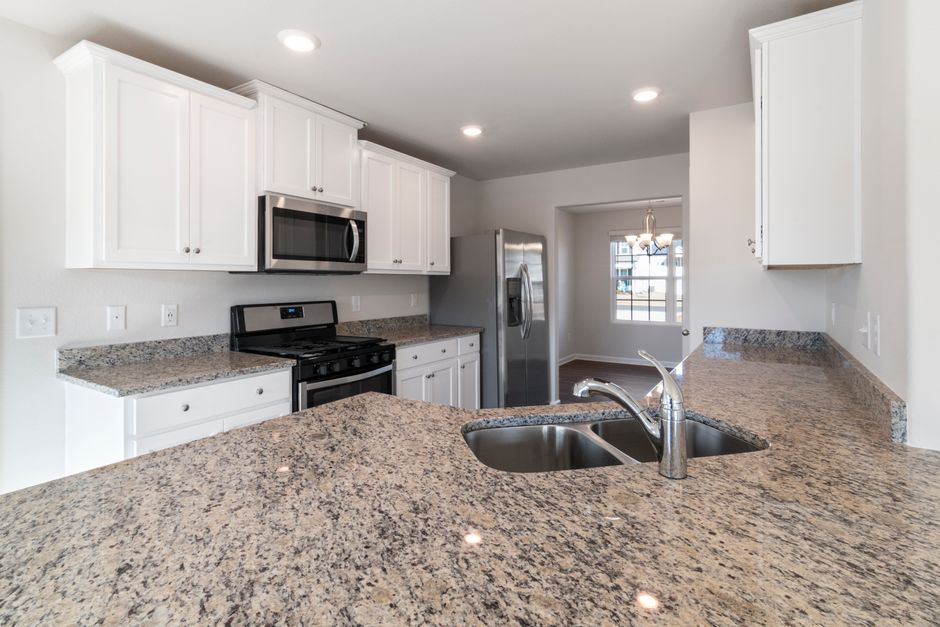
By the time the slab reaches the layout table, the seam has already been decided, and it is fixed on template day. A countertop seam stays off the weakest part of the stone, as the notes at countertop installation riverside cure pittsburgh describe, which in a Riverside kitchen means away from the sink cutout and the cooktop opening.
Why slab size forces a seam
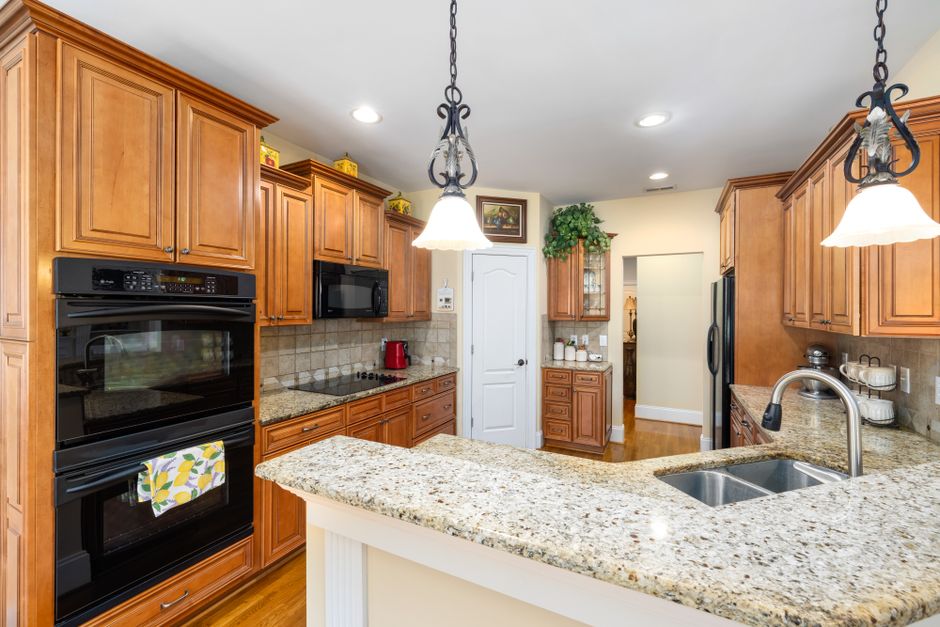
Granite, quartz and quartzite slabs run about nine to ten feet long and five feet wide. A kitchen with a long wall plus an island or an L-shaped corner needs more stone than one slab offers, so the run is split into pieces. The goal is the fewest seams possible, each one placed where the stone has support underneath and where the eye lands on it least.
Keeping seams away from the cutouts
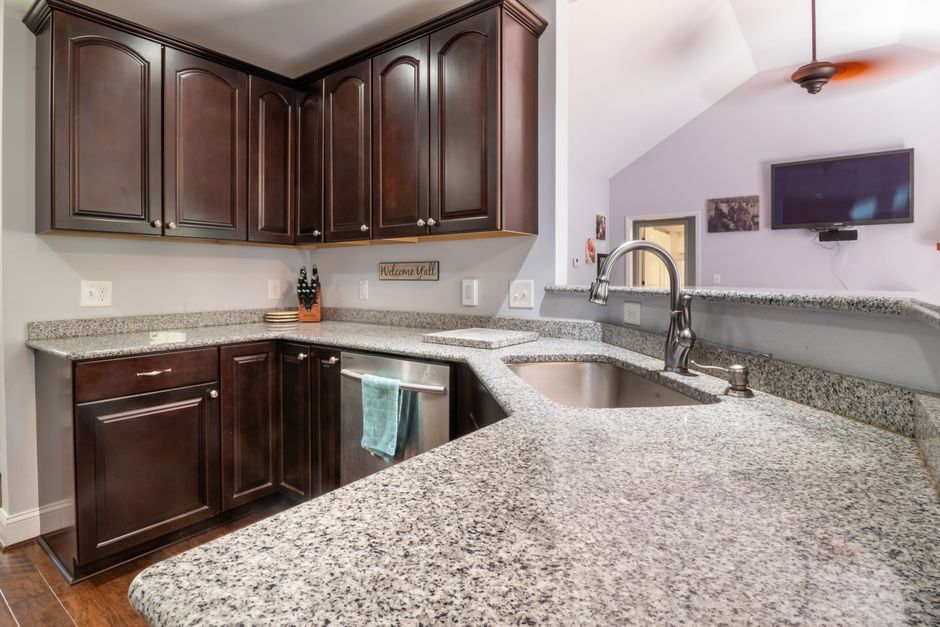
The narrow strips of stone beside an undermount sink or cooktop carry the most stress, which makes a seam through that section a likely crack line. The fabricator moves the seam to a straight stretch, normally at least a foot from any cutout. In an L-shaped corner the seam often sits a short distance off the inside corner instead of in it, since a joint at the corner itself takes the most movement.
How the seam is joined on site
The two edges are polished flat in the shop and dry-fit on the cabinets first. Adhesive tinted to the stone color goes between them, and small suction handles or clamps pull the pieces tight until the joint closes to a hairline. Excess adhesive is scraped off before it cures, and the top is checked with a straightedge so neither side sits proud of the other. Quartz with a plain color hides a seam well. Veined marble and a busy granite show it, which is why the layout lines the pattern up across the joint.
Heat and wind on the day of the set
Joint adhesive sets faster in hot weather, and Riverside gets plenty of it. When Santa Ana winds blow dust through an open door, the crew keeps the joint covered while it cures so grit does not settle in the glue line. A joint made in a hurry in dry heat is the one that shows later as a dark line.
What a good seam looks like
A well made seam is flat to the touch, no wider than the thickness of a business card, and matched in color to the surrounding stone. An eased edge or a plain edge profile carries across the joint without a step, and the front overhang runs straight from one piece to the next.